
When’s the Best Time to Visit Miami for Outdoor Adventures?

The answer depends less on temperature and more on how the city feels once you’re out in it. Most people start planning a trip to Miami by asking about weather.
They want to know when it is hot, when it rains, and when hurricane season ends.
That makes sense.
But it is not the real question.
The real question is how you want the city to feel while you are moving through it.
Miami behaves very differently depending on the season. Not just in temperature or rainfall, but in pace, sound, space, and pressure. The same trail, the same stretch of coastline, the same neighborhood can feel completely different depending on when you arrive. One version feels open and steady. Another feels loud, bustling, and full. Another feels slow but heavy.
Some travelers want energy. They want heat, motion, crowds, and constant stimulation. They do not mind sweating. They do not mind noise. They like feeling surrounded by activity, even when they are outside.
Others are looking for something quieter.
They want to move without feeling pushed or rushed.
They want room to stop, look around, and settle into a rhythm.
They want outdoor time to feel intentional, not reactive.
Miami can support both. But not at the same time of year, and not in the same way.
This is where most timing advice breaks down. It treats “outdoor adventures” as a single category, when in reality the experience changes based on how much heat you tolerate, how much crowd energy you enjoy, and how important pace is to you.
If you enjoy being outside but prefer steadiness over intensity, your best time to visit Miami will look very different than someone chasing nightlife, events, and peak-season buzz.
If you want outdoor experiences that unfold over time, rather than hopping between attractions, timing becomes even more important. Heat changes how long you want to stay outside. Humidity changes how your body feels after the first hour. Crowds change whether a trail feels open or compressed.
The season you choose determines whether Miami feels like a place you are flowing through, or a place you are working around.
That is why this guide does not start with months or temperatures.
It starts with preference.
Before we talk about winter, spring, summer, or fall, it helps to be honest about what you actually want your days to feel like once you are outside. Calm or charged. Slow or fast. Open or packed.
Once that is clear, the “best time to visit Miami for outdoor adventures” stops being a vague travel question and turns into a clear decision.
Next, we’ll look at how Miami’s weather actually behaves throughout the year, and why temperature alone is a misleading way to choose your timing.
That perspective is at the core of how LoveLo approaches travel, and why timing, pace, and presence matter more than packing an itinerary.
Miami Outdoor Seasons at a Glance
Winter
Typical Conditions
Cooler temperatures
low humidity
steady weather
Crowd Levels
High
How Outdoor Time Feels
Comfortable but busy. Easy movement with frequent interruptions from foot traffic.
Best Fit For
Travelers who value physical comfort and do not mind shared space
Spring (March - May)
Typical Conditions
Warmer days, moderate humidity, longer daylight
Crowd Levels
Medium
How Outdoor Time Feels
Balanced and fluid. Outdoor time stretches naturally without constant adjustment.
Best Fit For
Travelers who want steady pacing and flexibility
Fall (Oct - Nov)
Typical Conditions
Warm air, easing humidity, improving conditions
Crowd Levels
Low to Medium
How Outdoor Time Feels
Reset and neutral. Less pressure, fewer expectations, adaptable outdoor days.
Best Fit For
Travelers who want flexibility without peak-season intensity
Summer (June - Sept)
Typical Conditions
High heat, high humidity, short storms
Crowd Levels
Low
How Outdoor Time Feels
Demanding but open. Requires timing and breaks, rewarded with more space.
Best Fit For
Travelers who prioritize quiet and are willing to adapt
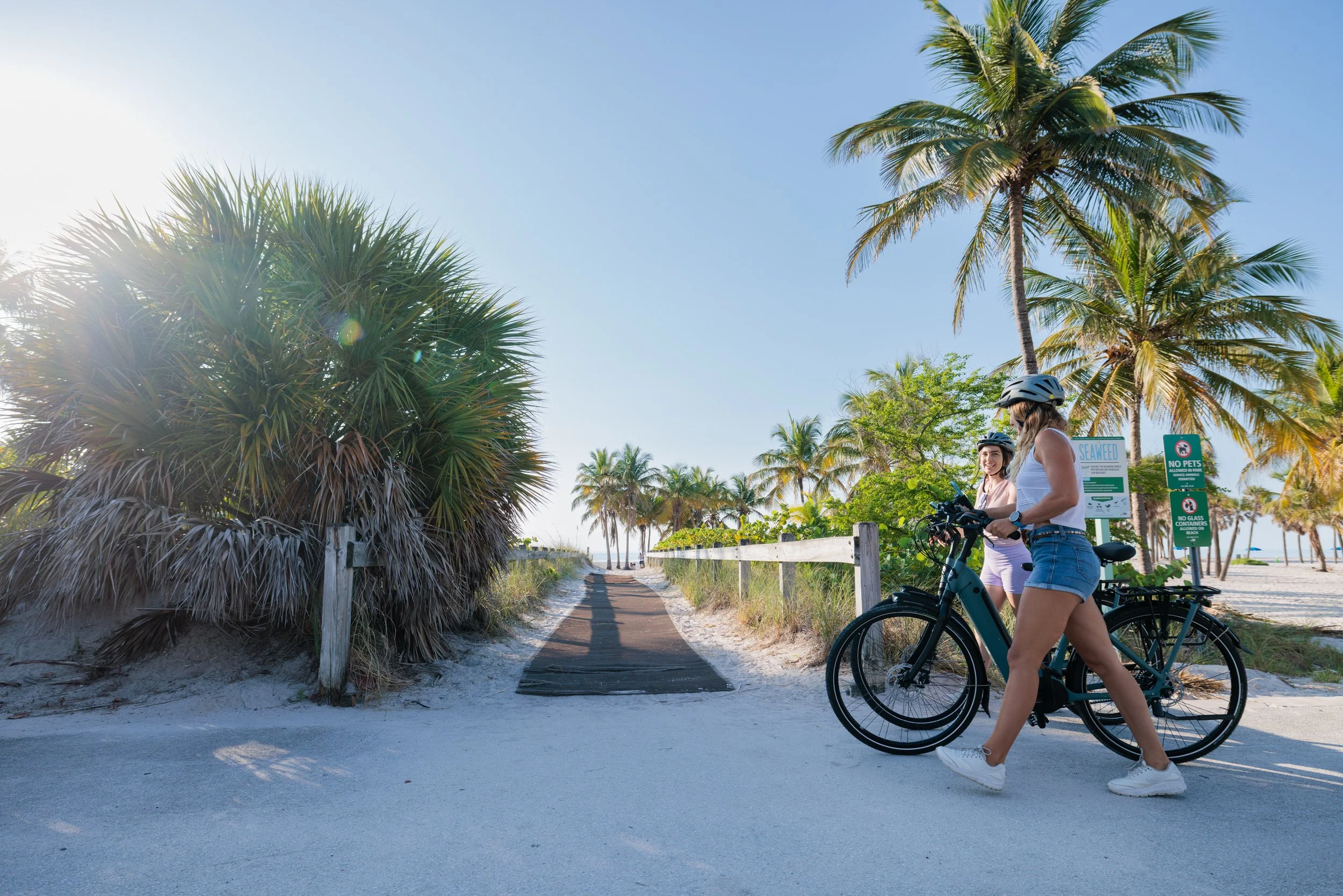
Is winter the best time to explore Miami outdoors?
Winter is the season most people assume is ideal for outdoor time in Miami. And in many ways, that assumption holds.
From December through February, temperatures are cooler and humidity drops noticeably. Days feel lighter. You can stay outside longer without managing heat as closely. Movement feels easier, and recovery between activities is faster.
For outdoor exploration, this creates a sense of effortlessness that other seasons do not always provide.
You can move through neighborhoods, parks, and coastal areas without feeling rushed back into shade. The air supports motion instead of resisting it. Even midday hours remain usable for being outside.
That combination is what has made winter the default choice for many visitors.
But that comfort comes with a tradeoff that directly affects how outdoor experiences feel.
Winter is also when Miami is most full.
Seasonal residents return. Visitors arrive in higher volume. Popular outdoor areas see more foot traffic, more bikes, more people moving through the same corridors at the same time. Parking tightens. Trails feel narrower. Quiet moments are harder to come by unless you know exactly where and when to look.
For travelers who enjoy shared energy and visible activity, this can enhance the experience. The city feels alive. There is motion everywhere. Outdoor spaces feel social rather than solitary.
For travelers who prefer space, rhythm, and the ability to move without constant adjustment, winter can feel compressed. The environment is comfortable, but attention is pulled outward. You spend more time navigating around others instead of settling into your own pace.
Winter in Miami does not change the landscape. It changes the density.
That difference shows up most clearly during longer stretches outside. The same route that feels open in another season can feel crowded in winter, even though the weather itself is nearly perfect.
Winter is an excellent time to be outside in Miami.
It is not automatically the best time for every kind of outdoor experience.
Whether it works for you depends less on temperature and more on how you feel about sharing space.
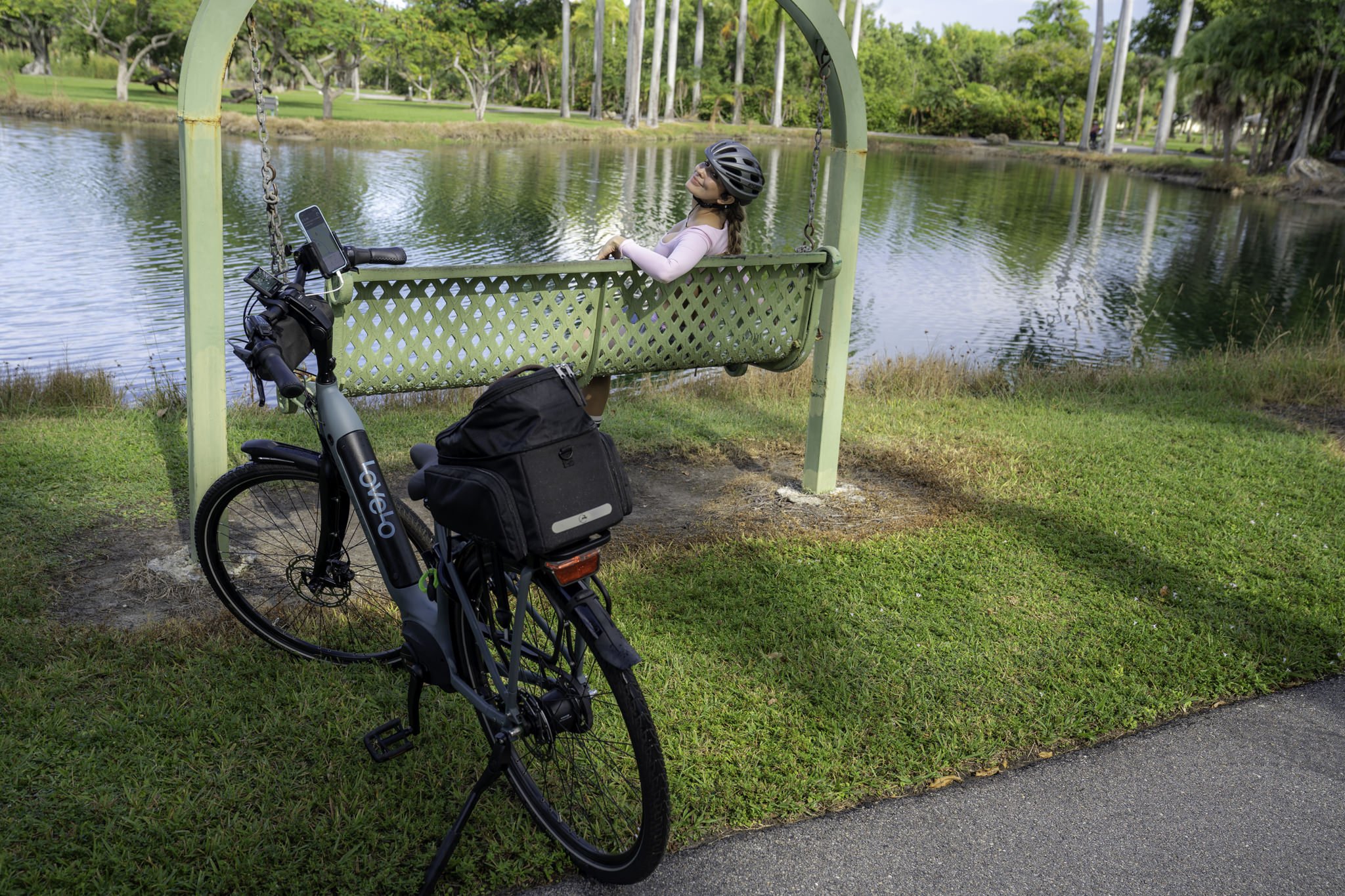
What’s it like to experience Miami outdoors in spring?
Spring in Miami is when the city starts to loosen.
From March through May, winter’s intensity fades without immediately giving way to summer’s weight. The air warms, but it does not press down yet. Humidity begins to return, but it is still manageable. Days stretch longer, and the rhythm of being outside changes with them.
This season is defined by balance.
Outdoor time feels flexible again. Mornings are comfortable and unhurried. Midday remains usable without strict planning. Evenings carry warmth without the stickiness that later months bring. You can move, stop, linger, and resume without constantly negotiating with the weather.
Spring also changes how Miami feels socially.
The peak winter crowd thins. Seasonal visitors begin to leave. Outdoor spaces open back up, not because they are empty, but because they are no longer compressed. Trails feel wider. Popular areas breathe. You notice fewer bottlenecks and less background urgency.
For outdoor exploration, this matters more than temperature alone.
Spring allows for longer continuous stretches outside. Not because it is cooler than winter, but because the city itself feels less reactive. You are less likely to adjust your pace to accommodate others. You spend more time moving forward and less time working around.
There is also a visual shift that subtly affects the experience. Vegetation fills in. Color returns more aggressively. The environment feels active rather than paused. This gives outdoor movement a sense of progression instead of repetition.
Spring is often overlooked because it does not carry a single defining trait. It is not the coolest. It is not the quietest. It is not the most energetic.
What it offers instead is consistency.
If you want outdoor days that unfold naturally without constant calculation, spring is often where Miami feels most cooperative. It supports movement without demanding adaptation. It allows exploration to feel steady rather than strategic.
That makes spring one of the most reliable seasons for outdoor adventures that depend on flow, pacing, and the ability to stay present without managing extremes.
Should you avoid Miami’s summer if you want outdoor adventures?
Summer in Miami asks more of you.
From June through September, heat is no longer a background condition. It is present the moment you step outside. Humidity climbs early in the day and lingers well into the evening. The sun carries weight, not just brightness.
This is the season most travel advice tells people to avoid.
That advice is incomplete.
Summer does not make outdoor exploration impossible. It changes the rules. The day compresses. Timing matters more than distance. How you move matters more than how far you go.
Early mornings become the most valuable hours. The air is calmer. The heat has not fully settled. Outdoor time feels deliberate instead of reactive. Late afternoons and evenings can open back up once storms pass and temperatures soften slightly.
Rain plays a different role in summer. It arrives fast, often predictably, and rarely stays. A short storm can clear the air and reset conditions. If you expect it, it becomes part of the rhythm instead of a disruption.
The most overlooked change summer brings is not physical. It is spatial.
Many visitors leave. Seasonal residents are gone. Popular outdoor areas feel less crowded, even if the weather is demanding. There is more room to move, more quiet between moments, and fewer people sharing the same space.
For travelers who value solitude over comfort, this trade can be worth it.
Summer rewards those who are willing to adapt. It favors shorter, more focused outdoor sessions. It favors routes and activities that allow for pauses. It favors people who do not need to fill every hour with movement.
If you expect summer to behave like winter with higher temperatures, it will disappoint you. If you treat it as its own environment with its own cadence, it can offer something other seasons do not: space.
Summer is not forgiving. But it is less crowded.
For some outdoor experiences, that matters more than ease.
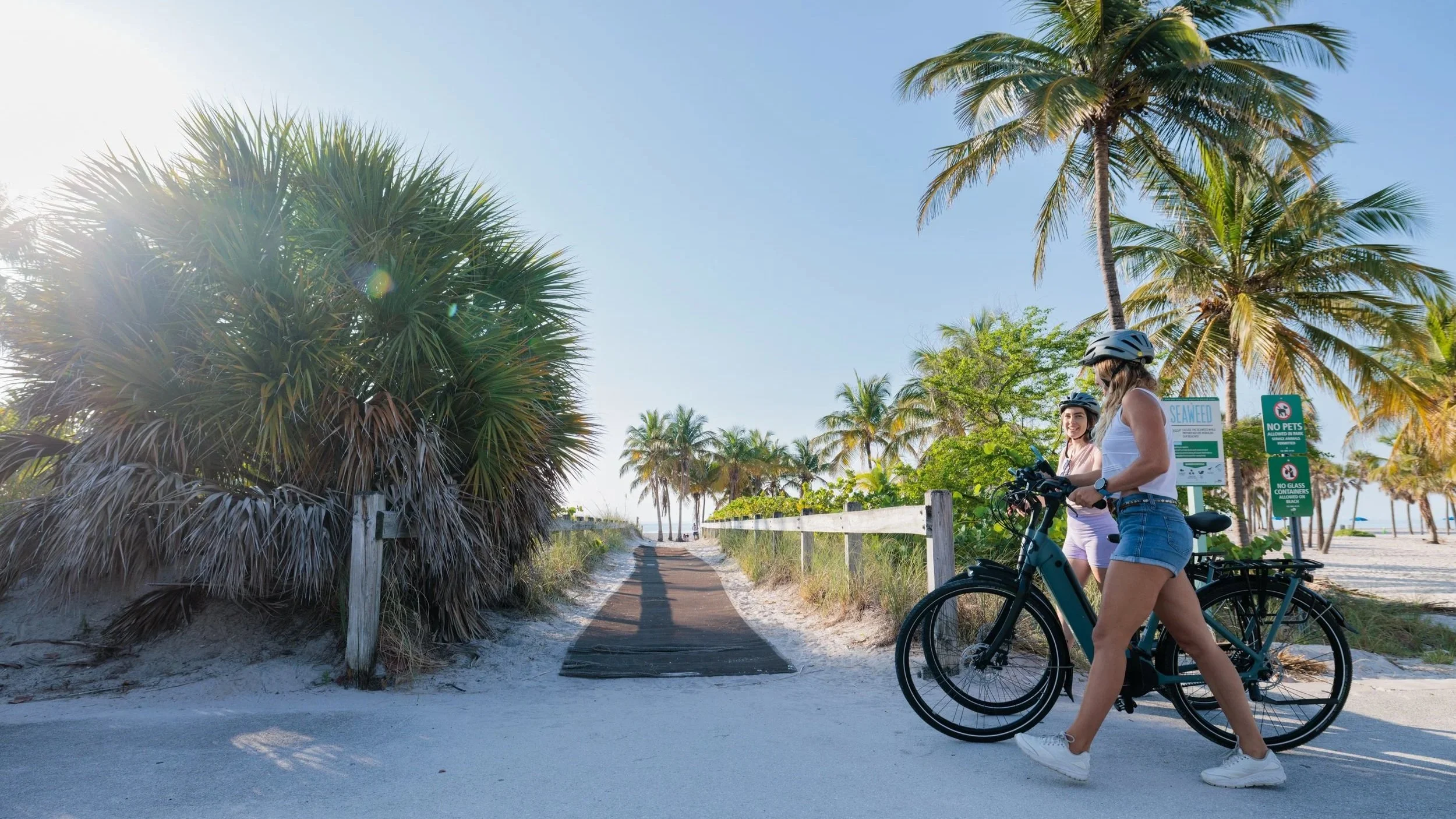
How does fall compare for outdoor exploration in Miami?
Fall in Miami is a reset period.
From October through November, the city begins to recalibrate. Summer heat does not disappear overnight, but it softens. Humidity eases in stages instead of dropping all at once. The air becomes more workable, even if it is still warm.
The change happens gradually.
Outdoor time starts to stretch again. Midday becomes more realistic. Long pauses outside feel less draining. You are no longer planning strictly around the sun, but you are not ignoring it either.
Crowds remain light compared to winter. Seasonal visitors have not fully returned. Outdoor spaces feel open without feeling empty. There is movement, but not congestion. You notice fewer constraints and fewer interruptions.
Fall also changes the tone of outdoor exploration.
There is less urgency than summer and less buzz than winter. The city feels more neutral. You are not racing weather extremes, and you are not navigating peak-season pressure. This neutrality allows outdoor experiences to feel intentional rather than opportunistic.
Fall favors travelers who want flexibility.
You can decide how much you want to do on a given day without committing early. You can extend time outside without strict limits. You can adjust plans without feeling like you are wasting the best conditions of the trip.
There is also a psychological difference. Fall carries less expectation. It is not marketed as the “best” season, which removes pressure to optimize every hour. That makes it easier to enjoy what is actually happening instead of measuring it against an ideal.
Fall is rarely anyone’s first answer when asked about Miami.
It is often the season people remember most fondly once they have experienced it.
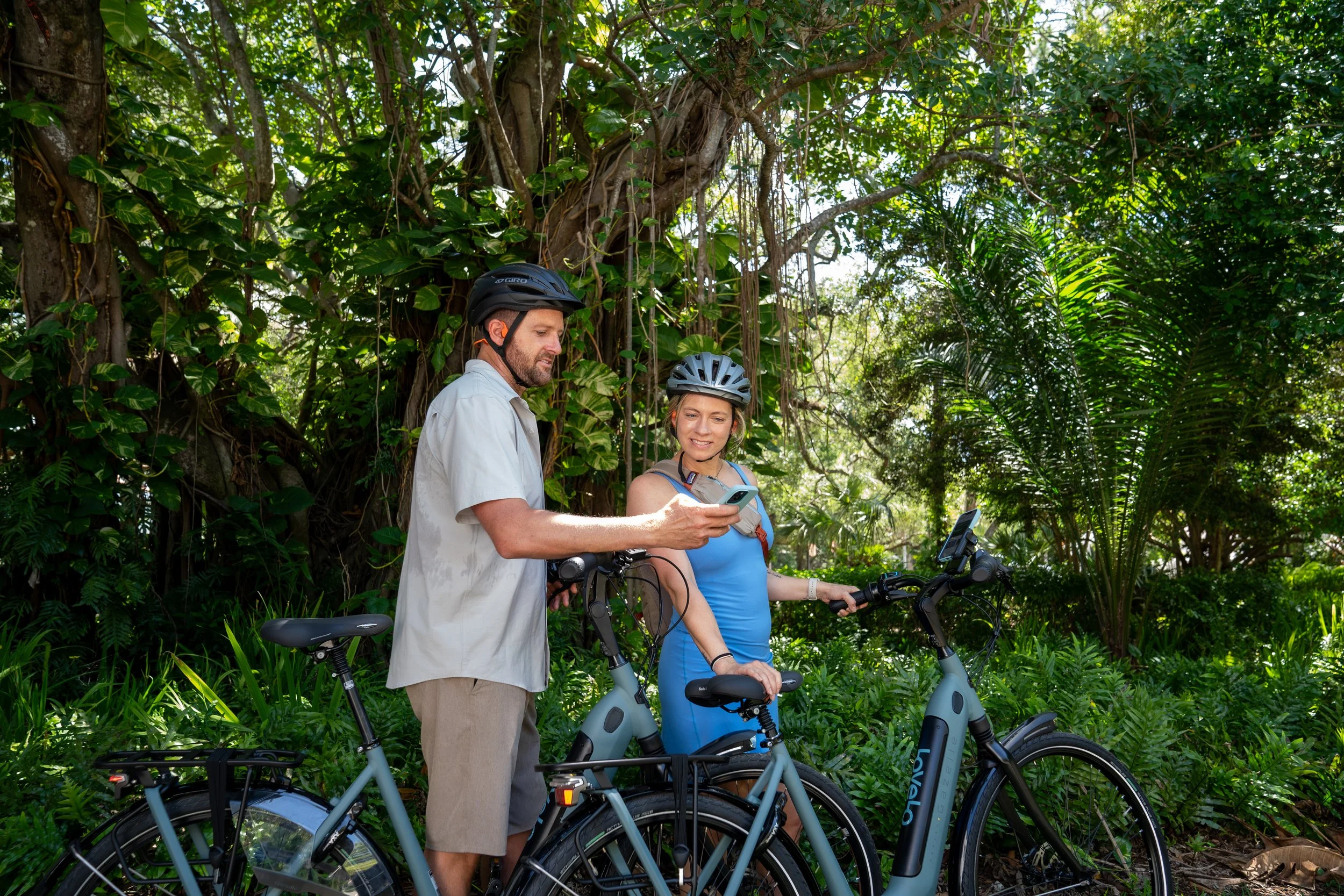
When is the best time to explore Miami at your own pace?
Exploring Miami at your own pace is less about weather and more about resistance.
Resistance shows up as waiting, rerouting, and adjusting when you would rather keep moving.
Waiting. Adjusting. Rerouting. Feeling rushed. Feeling watched. Feeling like you need to keep moving because others are close behind.
Those frictions are not evenly distributed throughout the year.
The times that support unhurried exploration are the times when Miami gives you room. Not just physical space, but mental space. Fewer interruptions. Fewer decisions forced by crowds or urgency.
Late winter can offer physical comfort, but it often introduces social pressure. You move easily, but not freely. You are aware of others. You adapt more than you realize.
Spring reduces that pressure. Movement feels smoother. Stops feel optional instead of strategic. You can follow curiosity without constantly recalibrating around density.
Fall does something similar, but with even less expectation attached. There is no peak-season clock ticking. You are not trying to “make the most” of perfect conditions. That absence of pressure is what allows pace to settle naturally.
Summer creates space by subtraction. It clears people out, not conditions. For some travelers, that trade is worth it. For others, it introduces too much friction of its own.
If moving at your own pace means staying outside longer without thinking about it, spring and fall tend to support that best.
If it means having space to yourself and choosing shorter, intentional windows, summer can work.
If it means comfort first and energy second, winter delivers, as long as shared space does not bother you.
There is no single best time to explore Miami slowly. There is a best time for how you prefer to move.
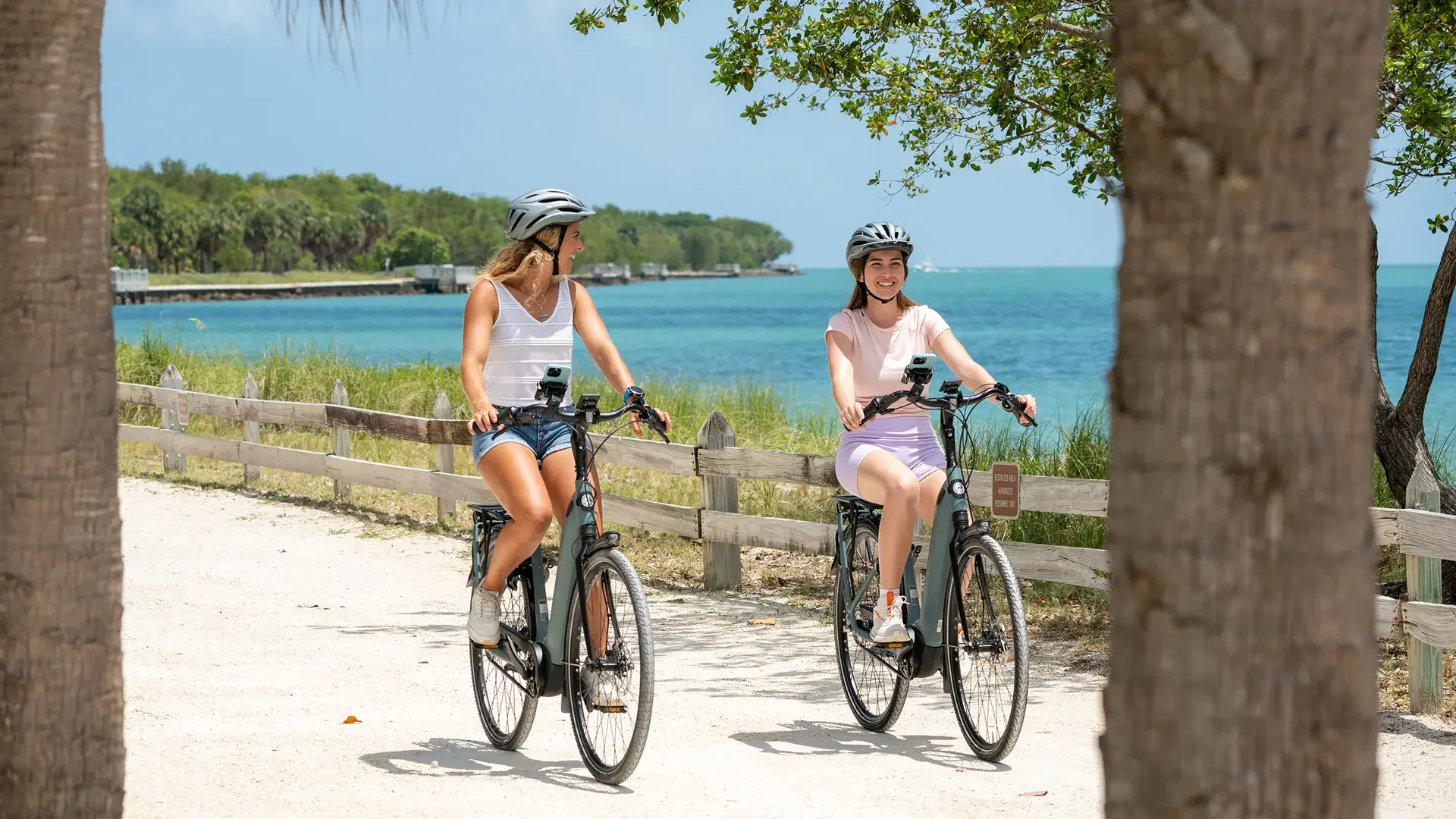
When timing matters, choosing the right kind of experience matters too
Once you understand how timing shapes outdoor days in Miami, the next decision becomes straightforward.
Not every outdoor experience responds to timing in the same way.
Structured activities absorb friction for you. Schedules dictate pace. Groups determine when to move and when to stop. A guide fills gaps when conditions are less than ideal. Timing still matters, but its impact is muted.
Unstructured experiences work differently.
When you move on your own terms, timing becomes part of the experience instead of a background variable. The season you choose affects how freely you can explore, how long you want to stay outside, and how much adjustment the day requires.
This is where self-guided outdoor experiences make sense.
They are not designed to override conditions. They are designed to work with them. When the timing aligns, the experience feels natural. When it does not, the mismatch is noticeable immediately.
That is why people who care about pace, space, and flow tend to gravitate toward experiences that do not impose structure. They want the day to respond to the environment, not the other way around.
If that is how you prefer to explore Miami, experiences like those offered by LoveLo Tours fit naturally into the decision you have already made. Not because they promise more, but because they ask less.
They give timing room to matter.
Frequently asked questions about visiting Miami for outdoor adventures
-
Miami is warm year-round, but outdoor activities feel most demanding from June through September due to higher heat and humidity. Outdoor time is still possible during these months, especially in the morning or after afternoon storms, but it requires more planning and shorter sessions.
-
February is typically one of the driest months in Miami. Rainfall is low, humidity is reduced, and conditions are generally stable for extended time outdoors.
-
Winter brings the highest number of visitors to Miami. While weather conditions are comfortable, popular outdoor areas can feel busy. Whether this is a drawback depends on how much shared space affects your enjoyment.
-
Item descYes. Miami supports outdoor activities in every season. The experience changes throughout the year, but there is no true off-season for being outside if you adjust expectations and timing.ription
-
IteSpring and fall tend to offer the most balance. These periods combine workable weather with lower crowd pressure, allowing outdoor time to feel steady rather than rushed.m description
If you’re still deciding or want clarity on logistics, timing, or how LoveLo experiences work, our full FAQs walk through the details without rushing the decision.
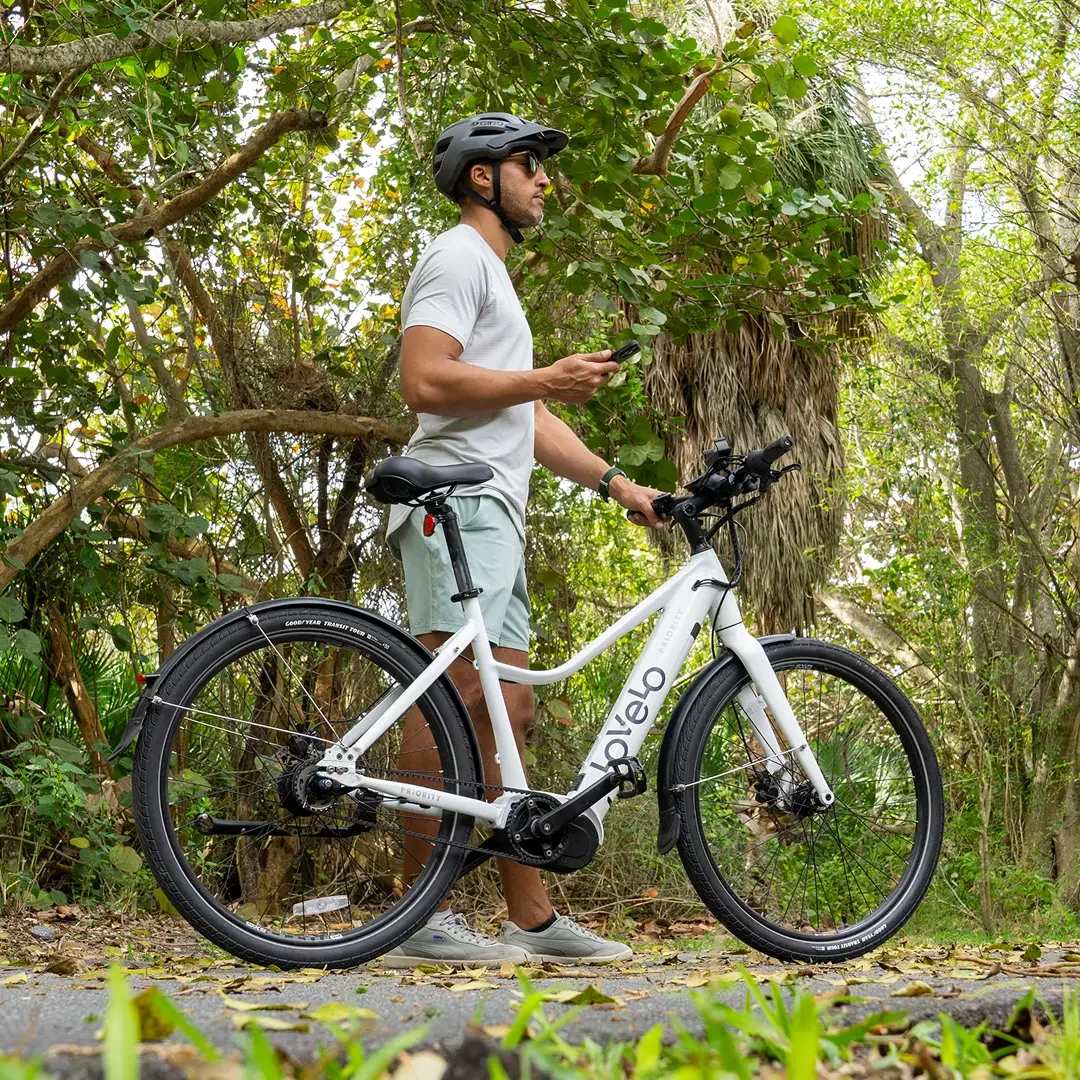
So when is the best time to visit Miami for outdoor adventures?
The best time to visit Miami for outdoor adventures depends on how you want your days to unfold.
Winter offers comfort, but with density.
Spring provides balance and continuity.
Summer trades ease for space.
Fall brings flexibility without pressure.
None of these seasons is objectively better than the others. Each one supports a different way of being outside.
When you choose timing based on how you like to move, pause, and explore, Miami becomes easier to navigate. The city stops feeling unpredictable, and outdoor experiences start to feel intentional.
That clarity is what makes the decision easier.
